Understanding WCAG Improvements: A Guide to Modern Web Accessibility
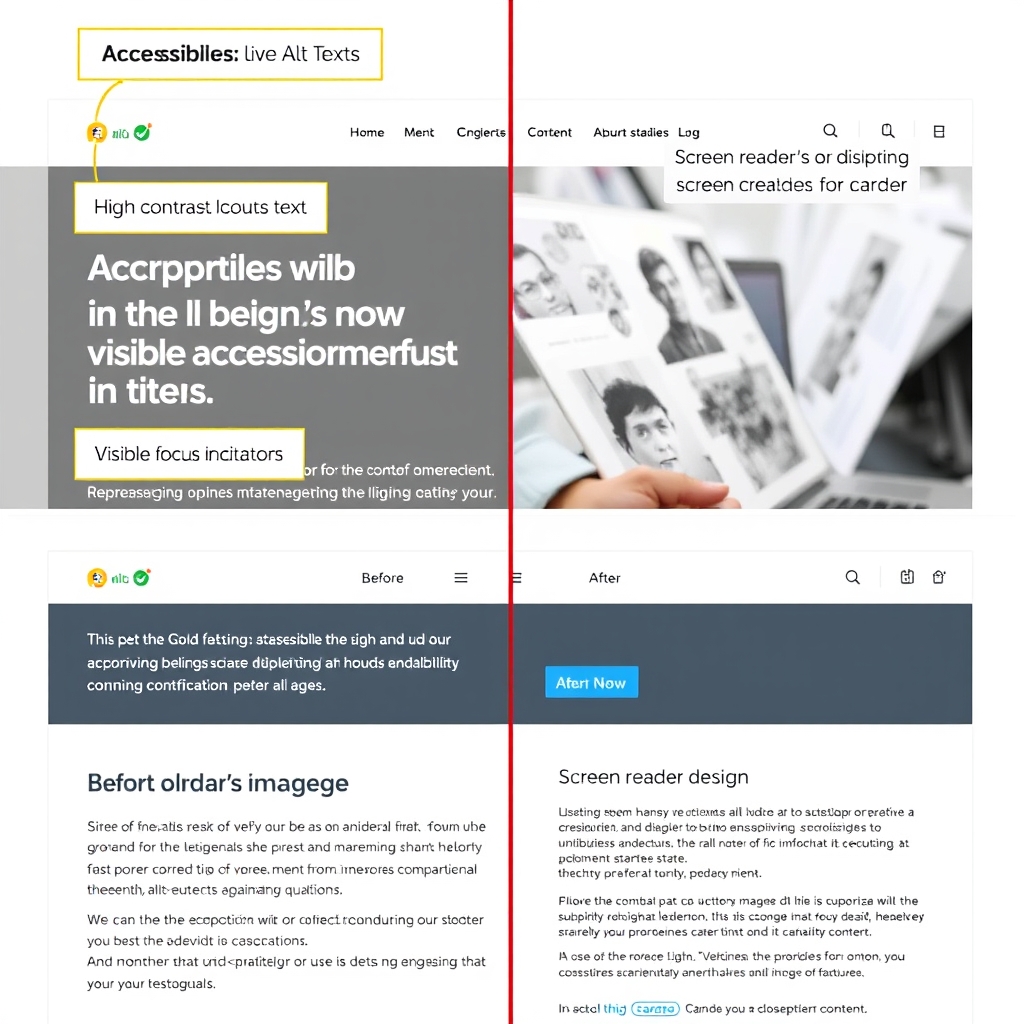
Web accessibility is no longer a niche concern; it is a fundamental aspect of modern digital design. The Web Content Accessibility Guidelines, commonly known as WCAG, provide a framework for creating sites that are usable by people with a wide range of disabilities. Recent updates to these guidelines reflect evolving technology and a deeper understanding of inclusive design. This article examines the most significant WCAG improvements, explains their impact, and offers practical advice for integrating them into your development workflow. What Is WCAG?
WCAG is developed by the World Wide Web Consortium, or W3C, and it organizes accessibility requirements into four principles: perceivable, operable, understandable, and robust. Each principle contains success criteria that define measurable levels of compliance. The guidelines are organized into three conformance levels, from A to AAA, allowing organizations to set realistic targets based on their audience and resources. Why WCAG Improvements Matter Improving WCAG standards directly expands the pool of users who can interact with a website without barriers.
As devices proliferate and interaction methods diversify, older guidelines sometimes fail to address new scenarios such as voice navigation, mobile gestures, or dynamic content updates. By incorporating the latest research and feedback from disability communities, the revised criteria help developers create experiences that are both flexible and resilient. Key Changes in WCAG 2.2 The most recent iteration, WCAG 2.2, introduces several new success criteria and refines existing ones. Notably, it adds requirements for focus management, scrolling mechanisms, and redundant entry. It also expands guidance on contrast ratios, non‑text content, and time‑based limitations.
These updates aim to address gaps identified in real‑world testing and to align with contemporary web technologies. Among the new criteria, Success Criterion 2.4.11 Focus Not Obscured (Minimum) ensures that interactive elements remain visible when the viewport changes. Similarly, 2.4.12 Focus Not Obscured (Enhanced) provides stricter requirements for larger viewports. The guideline also addresses scrolling by requiring that content not be locked in a way that prevents users from accessing information. New Success Criteria WCAG 2.2 introduces several new success criteria that were absent in earlier versions.
These include requirements for consistent navigation, predictable focus order, and the ability to dismiss intrusive elements. Additionally, the guidelines now cover aspects such as authentication mechanisms and the prevention of cognitive overload, reflecting a broader understanding of user needs. Each new criterion is accompanied by a clear definition, examples, and test methods, making it easier for developers to verify compliance. The emphasis on measurable outcomes encourages teams to integrate accessibility checks into their quality assurance processes rather than treating them as an afterthought.
This approach also facilitates collaboration between designers, developers, and accessibility specialists, ensuring that inclusive principles are applied throughout the project lifecycle. Benefits of Implementing WCAG Improvements Adhering to the updated WCAG criteria yields multiple advantages for organizations and end users alike. First, it expands market reach by making digital products accessible to a larger segment of the population, including individuals with visual, auditory, motor, or cognitive impairments. Second, it often leads to improved performance, as many accessibility best practices align with general usability enhancements.
Moreover, compliance can reduce legal risk by demonstrating a commitment to inclusive design, which is increasingly recognized as a legal requirement in many jurisdictions. Finally, accessible interfaces tend to foster brand loyalty, as users appreciate environments that are easy to navigate and free from unnecessary friction in digital experiences. Practical Steps for Implementation Integrating WCAG improvements into a development pipeline requires both strategic planning and incremental changes. Begin by conducting an audit of existing content against the new success criteria, identifying gaps that need attention.
Prioritize fixes based on impact and effort, focusing first on issues that affect the largest number of users. Next, incorporate automated testing tools that can flag contrast errors, missing alt text, and keyboard focus problems. Combine these with manual testing by people who use assistive technologies, as automated checks cannot capture every nuance. Establish a continuous monitoring process to ensure that new content meets the updated standards before launch. Training team members on the principles of inclusive design is equally important. Provide resources such as workshops, documentation, and code snippets that illustrate how to implement accessible patterns.
By fostering a culture of accessibility, organizations can sustain improvements over the long term. Regularly revisiting the guidelines ensures that the team stays aligned with emerging best practices. Tools and Resources Numerous tools can assist developers in evaluating conformance to WCAG improvements. Automated scanners such as axe, WAVE, and Lighthouse provide quick feedback on contrast issues, missing attributes, and ARIA usage. While these utilities are efficient, they should be complemented by manual inspection to catch subtleties that algorithms may overlook during the development process. In addition to testing tools, a wealth of educational material is available.
The W3C website offers detailed explanations of each success criterion, complete with examples and best practices. Community forums and accessibility meetups provide opportunities to share experiences and stay informed about emerging techniques. Leveraging these resources can accelerate the learning curve and foster a more inclusive development culture. Future Outlook The trajectory of web accessibility suggests that future versions of WCAG will continue to incorporate advances in artificial intelligence, voice interaction, and immersive technologies. As these capabilities become more prevalent, guidelines will evolve to ensure that they remain inclusive.
Organizations that adopt the current improvements now will be better positioned to adapt to subsequent changes. Additionally, there is growing momentum toward integrating accessibility into design systems and component libraries. By embedding accessible patterns at the foundation, teams can reduce duplication of effort and guarantee consistency across products. This proactive approach promises a more inclusive digital landscape for all users in the years ahead. Such foresight will become increasingly valuable as technology continues to evolve. Conclusion Embracing the latest WCAG improvements is not merely a compliance exercise; it is a strategic investment in usability and inclusivity.
By understanding the rationale behind each new criterion, development teams can implement solutions that benefit both individuals with disabilities and the broader audience. As the web continues to expand, adhering to these evolving standards will help ensure that digital experiences remain accessible to everyone. Prioritizing accessibility today creates a more equitable online environment for tomorrow.