Third-Party System Integrations: A Complete Guide to Seamless Connectivity
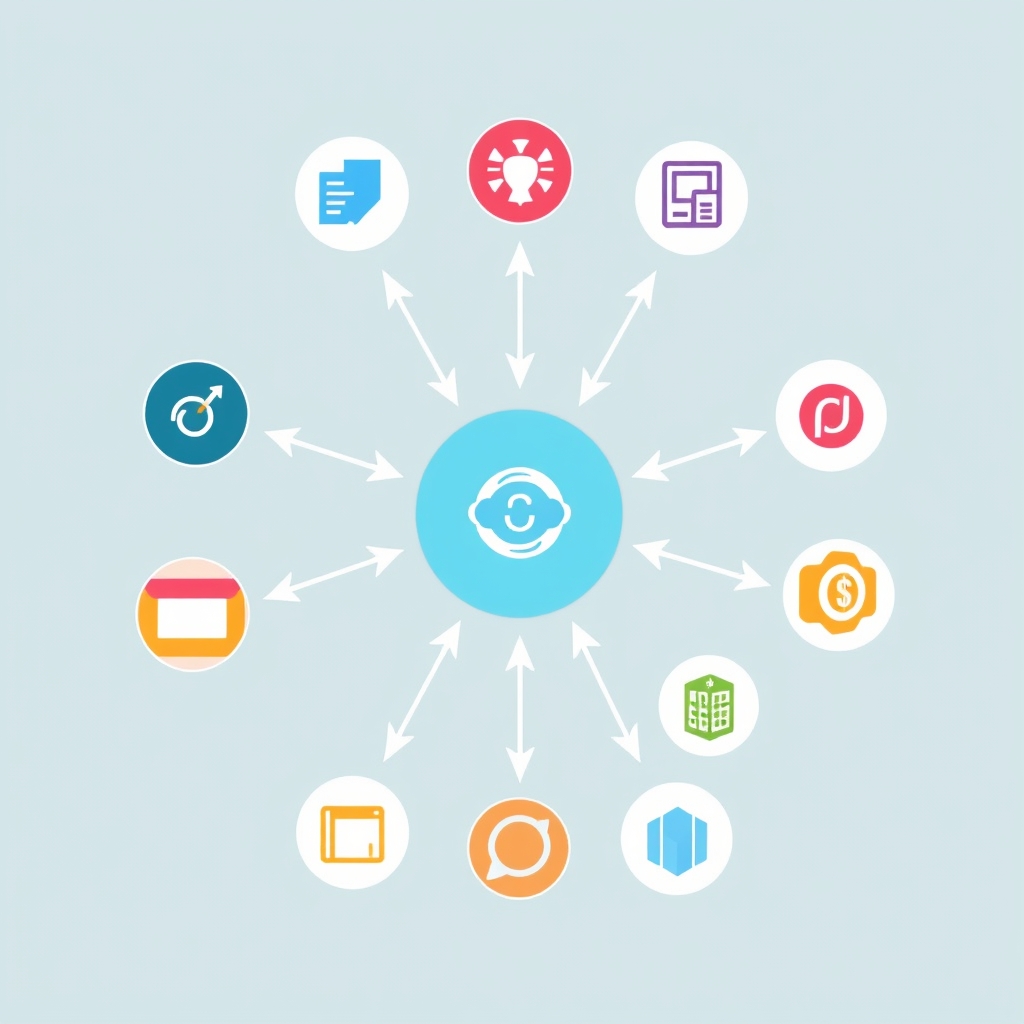
Introduction In today's interconnected business landscape, no single software solution can meet every organizational need. Third-party system integrations serve as the vital bridges that connect disparate applications, enabling data flow and functional harmony across platforms. Whether you are a small business owner or an enterprise IT manager, understanding how to effectively leverage these integrations can significantly improve operational efficiency, reduce manual errors, and unlock new capabilities. This guide explores the essentials of third-party system integrations, offering practical insights for implementing and managing them successfully. What Are Third-Party System Integrations?
Third-party system integrations refer to the methods and technologies used to connect an organization's primary software systems with external applications or services provided by independent vendors. These integrations allow different software platforms to communicate, share data, and synchronize workflows without requiring manual intervention. Common examples include connecting a customer relationship management (CRM) system with an email marketing platform, or integrating an accounting software with a payment gateway. The goal is to create a cohesive ecosystem where information flows seamlessly, enhancing overall business agility.
Types of Third-Party Integrations Integrations can take several forms, depending on the complexity and requirements of the connected systems. API-based integrations are the most common, utilizing application programming interfaces to enable direct data exchange between platforms. Webhooks represent another type, where one system sends real-time data to another upon specific triggers, such as a new order placement. For more complex scenarios, middleware or integration platforms as a service (iPaaS) solutions act as intermediaries, managing data transformation and routing between multiple systems.
Each type offers distinct advantages, and the choice often depends on factors like data volume, update frequency, and technical expertise available. Benefits of Implementing System Integrations The advantages of third-party integrations are substantial and multifaceted. They eliminate data silos by ensuring that information updated in one system is automatically reflected across all connected platforms, reducing redundancy and improving data accuracy. This automation saves significant time and resources, allowing teams to focus on higher-value tasks rather than manual data entry. Moreover, integrations enhance customer experiences by providing a unified view of interactions across different touchpoints.
For businesses, this translates into better decision-making, as comprehensive and real-time data becomes accessible across departments, fostering a more responsive and intelligent organization. Common Challenges and How to Overcome Them Despite their benefits, third-party integrations can present challenges. Data security concerns are paramount, as integrating external systems may expose sensitive information. It is crucial to implement robust authentication protocols, such as OAuth, and to conduct thorough security assessments of third-party providers. Integration complexity can also arise when dealing with legacy systems or platforms with limited API documentation.
In such cases, partnering with experienced integration specialists or adopting flexible middleware solutions can bridge gaps effectively. Additionally, managing the ongoing maintenance of integrations requires dedicated oversight to address updates, version changes, and performance issues promptly. Best Practices for Successful Integrations To maximize the value of system integrations, adherence to best practices is essential. Begin with a clear assessment of integration goals, identifying which processes need automation and which data points must be synchronized. Prioritize integrations that offer the highest return on investment, such as those improving customer service or reducing operational costs.
Standardize data formats and naming conventions across systems to prevent miscommunication and ensure consistency. Implement comprehensive monitoring tools to track integration performance, detect failures early, and generate actionable insights. Finally, maintain open communication with third-party vendors to stay informed about updates and new features that could enhance your integrations. Real-World Use Cases Many industries have successfully leveraged third-party integrations to transform their operations. In e-commerce, integrating a store platform with inventory management and shipping systems ensures accurate stock levels and efficient order fulfillment.
Healthcare providers use integrations to connect electronic health records with billing and scheduling software, improving patient care and administrative efficiency. Financial services firms integrate their core banking systems with fraud detection tools and regulatory reporting platforms to enhance security and compliance. These examples illustrate how tailored integrations can address specific business challenges and drive measurable outcomes across sectors. Conclusion Third-party system integrations are no longer optional but a strategic necessity in a digitally driven world. By connecting disparate systems, businesses can achieve greater efficiency, data integrity, and customer satisfaction.
While challenges exist, they can be mitigated through careful planning, security awareness, and adherence to proven best practices. As technology continues to evolve, the ability to seamlessly integrate with third-party solutions will remain a key differentiator for organizations aiming to thrive in competitive markets. Embracing these integrations today positions your business for sustained growth and innovation tomorrow.