Technical SEO Optimization: A Complete Guide
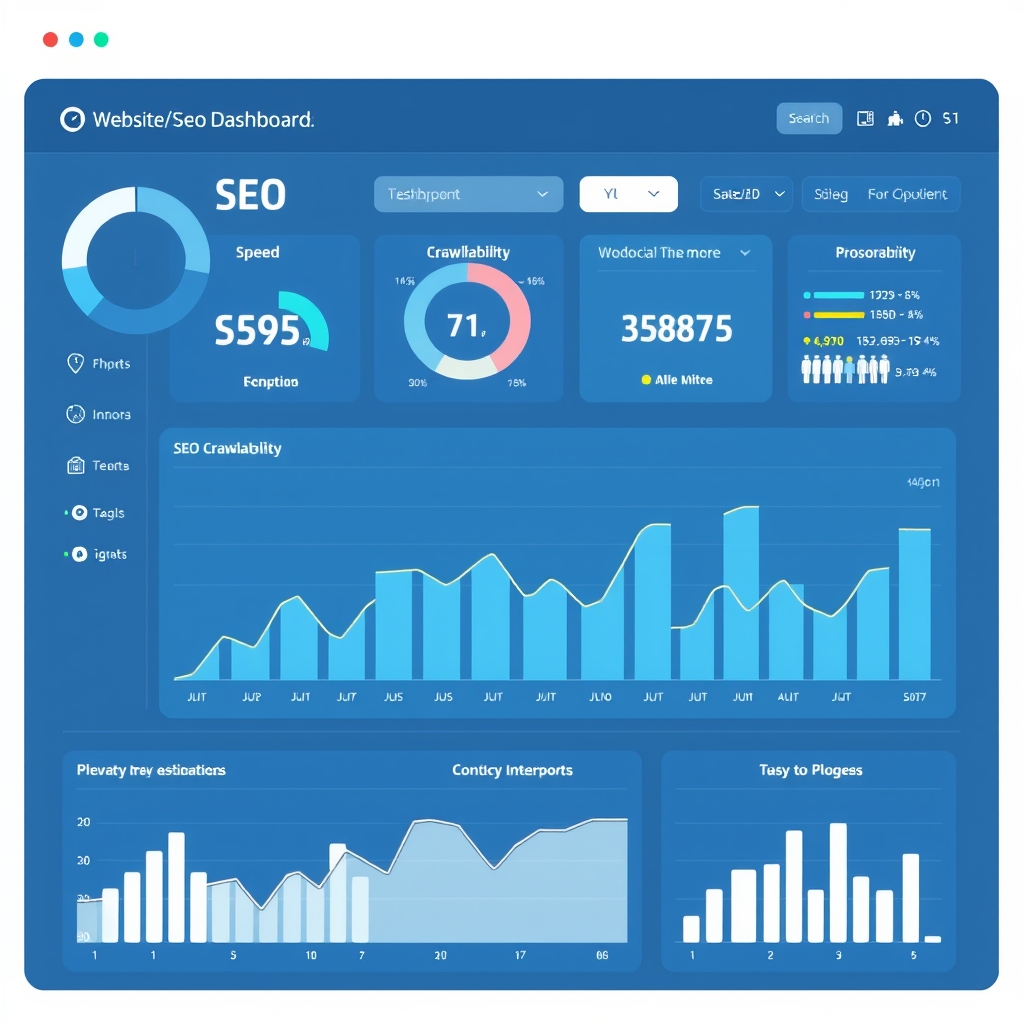
Effective search engine optimization begins with a strong technical foundation. When a website is built with clean code, fast loading times, and clear structure, search engines can easily crawl and index its pages. This technical SEO optimization not only improves rankings but also enhances user experience, leading to higher engagement and conversion rates. In the following sections, we will explore the most important technical SEO elements and how to address them. Site Speed and Performance Site speed is a direct ranking factor and a critical component of user experience.
Google's Core Web Vitals measure key metrics such as Largest Contentful Paint, First Input Delay, and Cumulative Layout Shift. To improve these scores, optimize images by compressing them and using modern formats like WebP. Minify JavaScript and CSS files, leverage browser caching, and consider using a Content Delivery Network to reduce latency. Implementing server‑side improvements such as HTTP/2 and GZIP compression can also yield noticeable gains. Beyond basic optimizations, consider establishing a performance budget for your development team. Define acceptable thresholds for key metrics and integrate them into your CI/CD pipeline.
By making performance a measurable goal, you can prevent regressions and ensure that new features do not degrade user experience. Additionally, explore server‑side improvements such as caching strategies and database query optimization to further reduce load times. Crawlability and Indexation Search engines must be able to discover and index a site's pages to rank them. A well‑structured robots.txt file guides crawlers, while an XML sitemap lists important URLs for indexing. Ensure that the sitemap is submitted through Google Search Console and that it reflects the current site architecture.
Avoid blocking essential resources in robots.txt, and use canonical tags to indicate the preferred version of a page when duplicate content exists. Regularly audit crawl errors to identify and fix issues such as 404 pages or server timeouts. Crawl budget is the number of pages a search engine will crawl within a given time frame. For large sites, maximizing crawl budget is essential to ensure all important pages are indexed. Use a logical URL structure, internal linking, and a sitemap to help crawlers discover content efficiently. Avoid excessive URL parameters and duplicate pages that can waste crawl budget.
Implementing 301 redirects for removed pages also helps maintain a smooth crawling experience. Structured Data and Schema Markup Implementing structured data helps search engines understand the context of your content, enabling rich results such as FAQ accordions, product reviews, or event listings. Choose the appropriate schema types for each page, validate the markup using Google's Rich Results Test, and ensure that the JSON‑LD script is placed in the head or body of the document. Properly applied schema can improve click‑through rates by making listings more visually appealing and informative.
While JSON‑LD is the preferred format, ensure that your schema is consistent across all pages and matches the content displayed to users. Regularly test your markup with Google's Rich Results Test and monitor search console for any errors. Avoid marking up content that is not visible to users, as this can lead to penalties. When used correctly, structured data can enhance visibility and increase the likelihood of appearing in featured snippets. Mobile Friendliness and Responsive Design With mobile devices accounting for the majority of web traffic, a responsive design is essential for both SEO and user satisfaction.
Google uses mobile‑first indexing, meaning the mobile version of your site is considered the primary version for ranking. Ensure that buttons are easily tappable, text is readable without zooming, and that the layout adapts smoothly across various screen sizes. Test your site using Google's Mobile‑Friendly Test tool to identify any remaining issues. Canonical Tags and Duplicate Content Duplicate content can dilute ranking signals and confuse search engines. Using canonical tags helps specify the original source of a page, preventing penalties for similar content across different URLs.
Implement rel="canonical" on the page that should be indexed, and ensure that all variations point to the same canonical URL. Additionally, consolidate similar pages through 301 redirects to maintain link equity and provide a clear path for crawlers. Security and HTTPS Security is increasingly important for SEO, as Google favors sites that use HTTPS. An SSL certificate encrypts data between the user's browser and the server, building trust and improving rankings. Ensure that all resources, including images and scripts, are loaded over HTTPS to avoid mixed content warnings.
Regularly update software, plugins, and server configurations to protect against vulnerabilities that could impact site performance and credibility. Monitoring and Analytics Ongoing monitoring ensures that technical SEO improvements remain effective. Use Google Search Console to track index coverage, crawl errors, and core web vitals. Set up Google Analytics to monitor user behavior and conversion metrics. Conduct regular site audits with tools like Screaming Frog to identify broken links, duplicate content, and slow pages. By analyzing this data, you can prioritize fixes and measure the impact of your optimization efforts.
Site Architecture and Internal Linking A clear site architecture helps both users and search engines navigate your website efficiently. Organize content into logical categories and use a hierarchical URL structure that reflects this hierarchy. Implement a robust internal linking strategy to distribute page authority and highlight important pages. Breadcrumbs and a well‑designed navigation menu improve user experience and provide additional context for crawlers, reinforcing the relevance of each page. Error Handling and Redirects Proper error handling ensures that users and search engines encounter minimal friction. Create a custom 404 page that guides visitors back to relevant sections of the site.
Use 301 redirects permanently when moving a page to a new URL, preserving link equity and preventing duplicate content. For temporary changes, 302 redirects are appropriate. Regularly audit your redirect chains to avoid loops or long chains that can hinder crawling efficiency. Conclusion Technical SEO optimization forms the backbone of any successful search strategy. By focusing on site speed, crawlability, structured data, mobile responsiveness, canonical usage, security, and continuous monitoring, you create a foundation that supports content marketing and link building efforts.
Implementing these practices not only improves search rankings but also delivers a better experience for visitors, ultimately driving more traffic and conversions.